Navigating Cryptocurrency Routes in Live Dealer Mobile Experiences at Platforms Outside Standard Oversight
Written by Parker Jenkins · Oct 25, 2026

Navigating Cryptocurrency Routes in Live Dealer Mobile Experiences at Platforms Outside Standard Oversight
Digital asset movements through live table environments on mobile-first platforms reveal distinct patterns shaped by blockchain transparency and platform design choices. Observers note that these systems often operate beyond conventional regulatory frameworks, allowing direct wallet interactions for deposits and withdrawals during real-time sessions. Data from industry reports indicate rising adoption of cryptocurrencies like Bitcoin and Ethereum in such settings, particularly where mobile accessibility drives user engagement across regions.
Platform Structures and Live Table Mechanics
Mobile-first platforms prioritize responsive interfaces that support seamless transitions between slot selections and live dealer tables, with cryptocurrency integrations handling transaction flows in background processes. Researchers at various academic institutions have documented how these setups enable instant balance updates during games such as roulette or blackjack, where dealer actions sync with on-screen crypto wallet displays. According to findings from studies on digital finance in entertainment sectors, transaction speeds average under 30 seconds on optimized networks, though network congestion can extend this window.
Those who examine blockchain ledgers in gaming contexts find that each bet leaves a traceable entry, creating audit trails that contrast with cash-based systems. Platforms free from traditional oversight frequently rely on decentralized protocols to manage player funds, bypassing intermediaries common in licensed environments. Evidence from transaction analyses shows clusters of activity during peak hours, often aligning with global time zones where mobile usage spikes.
Transaction Trails and Blockchain Visibility
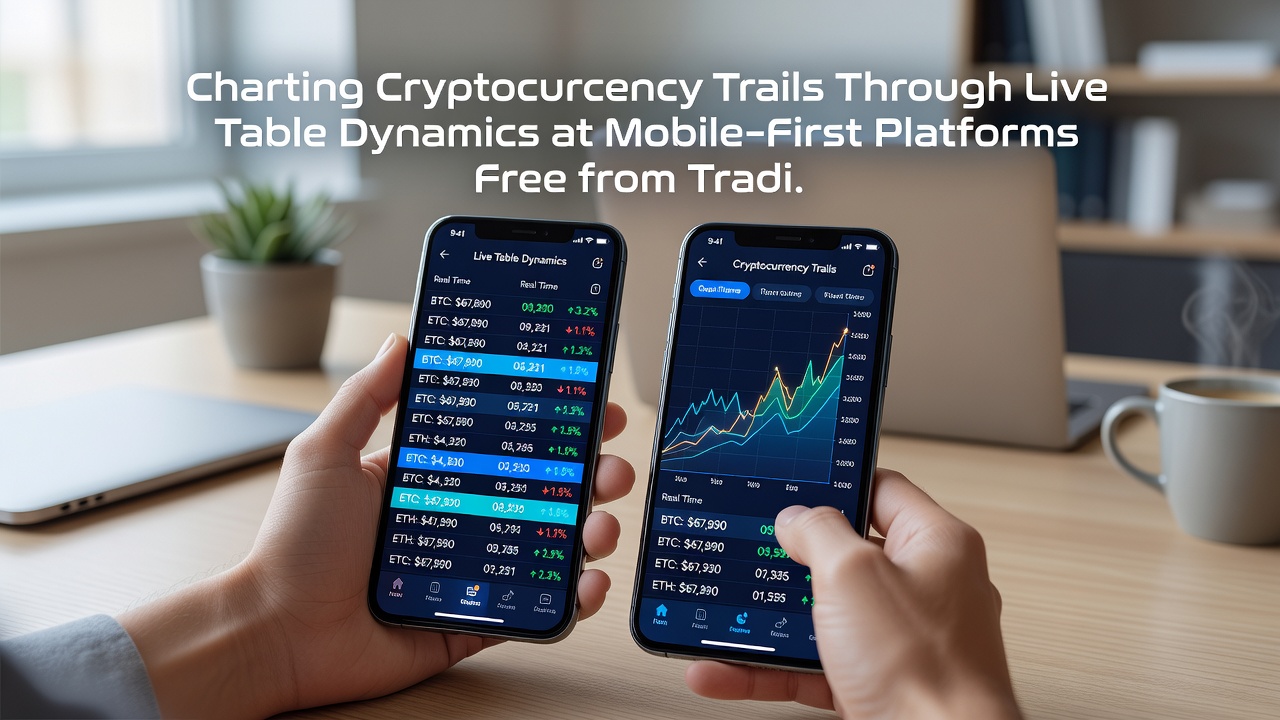
Cryptocurrency trails in these environments follow predictable yet complex routes, beginning with wallet-to-platform transfers that record on public ledgers. Analysts observe that live table dynamics introduce variables like progressive betting strategies, which multiply small inputs into larger outputs visible through address clustering techniques. A report from the Monetary Authority of Singapore highlights similar patterns in emerging digital payment ecosystems, where speed and anonymity features attract participants seeking alternatives to conventional banking rails.
What's notable is how mobile applications compress these steps into single-tap actions, reducing friction compared to desktop alternatives. Figures from European research consortia reveal that platforms emphasizing crypto options see higher retention rates in live dealer formats, with average session durations extending beyond 45 minutes. Yet network fees and volatility remain factors that influence timing decisions, prompting users to monitor market conditions before committing funds to extended play.
Global Regulatory Shifts and October 2026 Developments
Regulatory landscapes continue evolving, with certain jurisdictions preparing adjustments to licensing structures scheduled around October 2026. These changes target fee structures and compliance requirements in ways that may redirect operators toward platforms maintaining distance from centralized oversight. Data compiled by the Australian Transaction Reports and Analysis Centre points to increased scrutiny on cross-border digital asset movements, prompting platform adaptations that preserve mobile functionality while adjusting verification layers.
Industry associations in Canada have tracked parallel trends, noting that mobile-first sites leveraging cryptocurrencies often position themselves in regions with lighter frameworks. This positioning supports uninterrupted live table access, where real-time dealer interactions proceed without mandatory account linkages. Observers document how such environments facilitate rapid fund movements, though they also expose participants to risks associated with unmonitored wallet activity.
Case Examples from Mobile Crypto Ecosystems
One documented instance involves a platform cluster handling thousands of daily crypto transactions tied to live blackjack tables, with mobile users initiating bets via integrated wallet extensions. Academic reviews of similar operations underscore the role of smart contracts in automating payouts, reducing delays that plague traditional systems. Another example from research papers on decentralized finance applications shows how address reuse patterns help map player behaviors across multiple sessions without requiring personal identifiers.
These cases illustrate broader dynamics where mobile optimization intersects with crypto utility, creating environments that prioritize speed over layered approvals. Transaction volumes in these niches have grown steadily, per metrics shared through various trade publications focused on emerging markets in Asia and Latin America.
Conclusion
Cryptocurrency trails through live table dynamics on mobile-first platforms outside traditional oversight form interconnected networks driven by ledger visibility and user preferences for direct access. Research indicates sustained interest in these formats as regulatory timelines like those approaching October 2026 prompt further diversification. Platforms continue adapting interfaces to maintain compatibility across devices while supporting the fluid exchange of digital assets during active play.