Optimizing Payment Network Designs for Prolonged Mobile Casino Play in Minimal Verification Environments
Written by Logan Lang · Oct 11, 2026
Optimizing Payment Network Designs for Prolonged Mobile Casino Play in Minimal Verification Environments
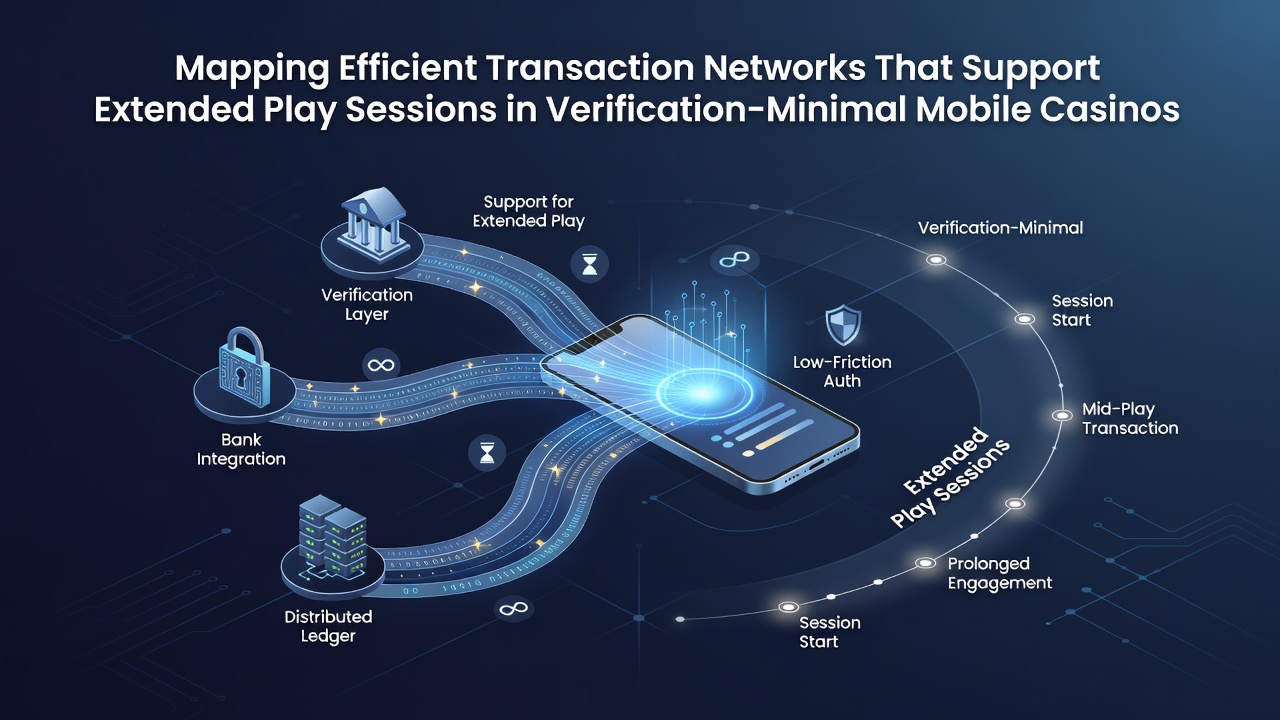
Transaction networks in verification-minimal mobile casinos rely on streamlined data pathways that connect user devices directly to payment processors and game servers while reducing identity checks to basic elements such as email confirmation and device fingerprinting. Researchers at institutions focused on digital finance have documented how these networks prioritize speed through layered API connections that route deposits and withdrawals along the shortest available paths, often incorporating real-time balance updates that support sessions lasting several hours without interruption.
Mapping begins with identification of core nodes including mobile app interfaces, e-wallet gateways, and backend ledgers that handle crypto or traditional currency transfers. Data from industry reports shows these nodes interact via encrypted channels that maintain session continuity even when players switch between Wi-Fi and cellular connections, allowing extended engagement without repeated authentication prompts.
Core Components of Efficient Transaction Mapping
Engineers design these maps by first charting entry points where players initiate deposits through options like digital wallets or blockchain transfers, then tracing how funds move to game engines for immediate credit allocation. According to analyses from the Nevada Gaming Control Board, such mappings reduce latency by pre-authorizing transaction batches that cover multiple spins or bets in advance, which supports longer play periods in environments with lighter verification requirements.
Additional layers include fallback routes that activate when primary processors experience delays, ensuring continuous fund availability. Studies from academic centers examining fintech applications reveal that incorporating predictive algorithms helps anticipate peak usage times, routing traffic away from congested servers during evening hours when mobile casino activity typically rises.
Supporting Extended Sessions Through Network Efficiency
Extended play sessions depend on transaction systems that process micro-adjustments in balances seamlessly, often using in-memory caching to reflect wins and losses instantly on the user interface. Observers note that verification-minimal platforms achieve this by limiting full compliance checks to initial setup phases, after which session tokens maintain access across multiple game types including slots and live dealer tables.
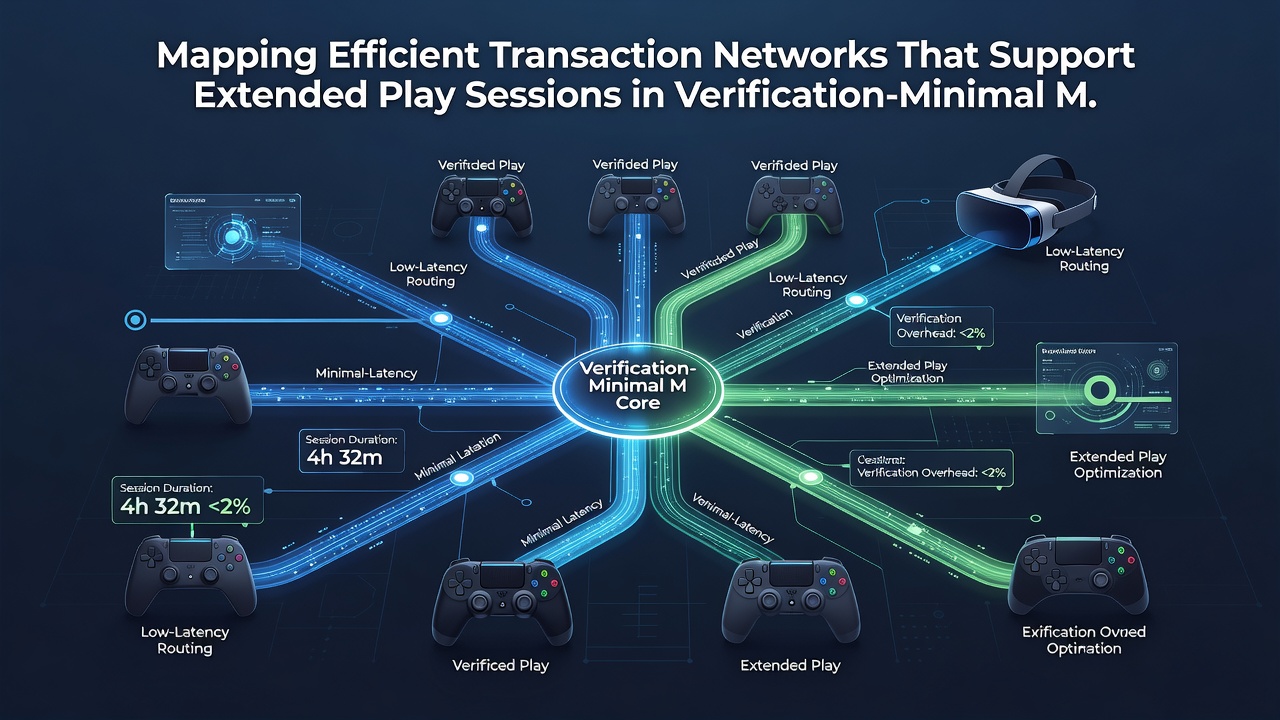
Network architects incorporate redundancy through duplicate processing queues that handle simultaneous withdrawals and deposits, preventing bottlenecks that could otherwise cut short user engagement. Figures from Canadian regulatory reviews indicate that platforms employing these mapped structures see average session durations increase when transaction confirmation times drop below two seconds, a benchmark achieved through optimized geographic server placement.
Integration of Emerging Technologies in 2026
Upcoming adjustments scheduled for October 2026 in various licensing fee structures worldwide are expected to influence how operators allocate resources toward transaction infrastructure upgrades. Those tracking these developments point to potential shifts where platforms invest in more sophisticated mapping tools to maintain operational margins while adhering to minimal verification standards that vary by jurisdiction.
Blockchain integrations appear frequently in current mappings, providing immutable ledgers that track fund movements without requiring repeated user data submissions. Research papers from European universities have examined how smart contracts automate payout triggers, further supporting uninterrupted play sessions in mobile settings.
Case Examples of Network Implementation
One documented approach involves Australian-based operators who mapped their systems around multi-currency support layers that convert and settle bets in real time, drawing from reports issued by the Australian Transaction Reports and Analysis Centre. Players benefit from these configurations because funds remain accessible across extended periods without triggering additional verification steps mid-session.
Another instance comes from North American developers who tested graph-based mapping algorithms on test networks, revealing that connection density between payment nodes directly correlates with reduced drop-off rates during long gaming periods. These findings align with data shared by international gaming associations that monitor mobile platform performance metrics.
Conclusion
Effective mapping of transaction networks continues to evolve as operators refine pathways to balance speed, security, and regulatory compliance in verification-minimal mobile casino environments. Data from multiple sources including government agencies and academic studies confirms that these structures enable sustained play through reduced friction points and proactive traffic management. As October 2026 approaches with its associated regulatory updates, further refinements in network design remain likely based on ongoing industry observations.